Project Description
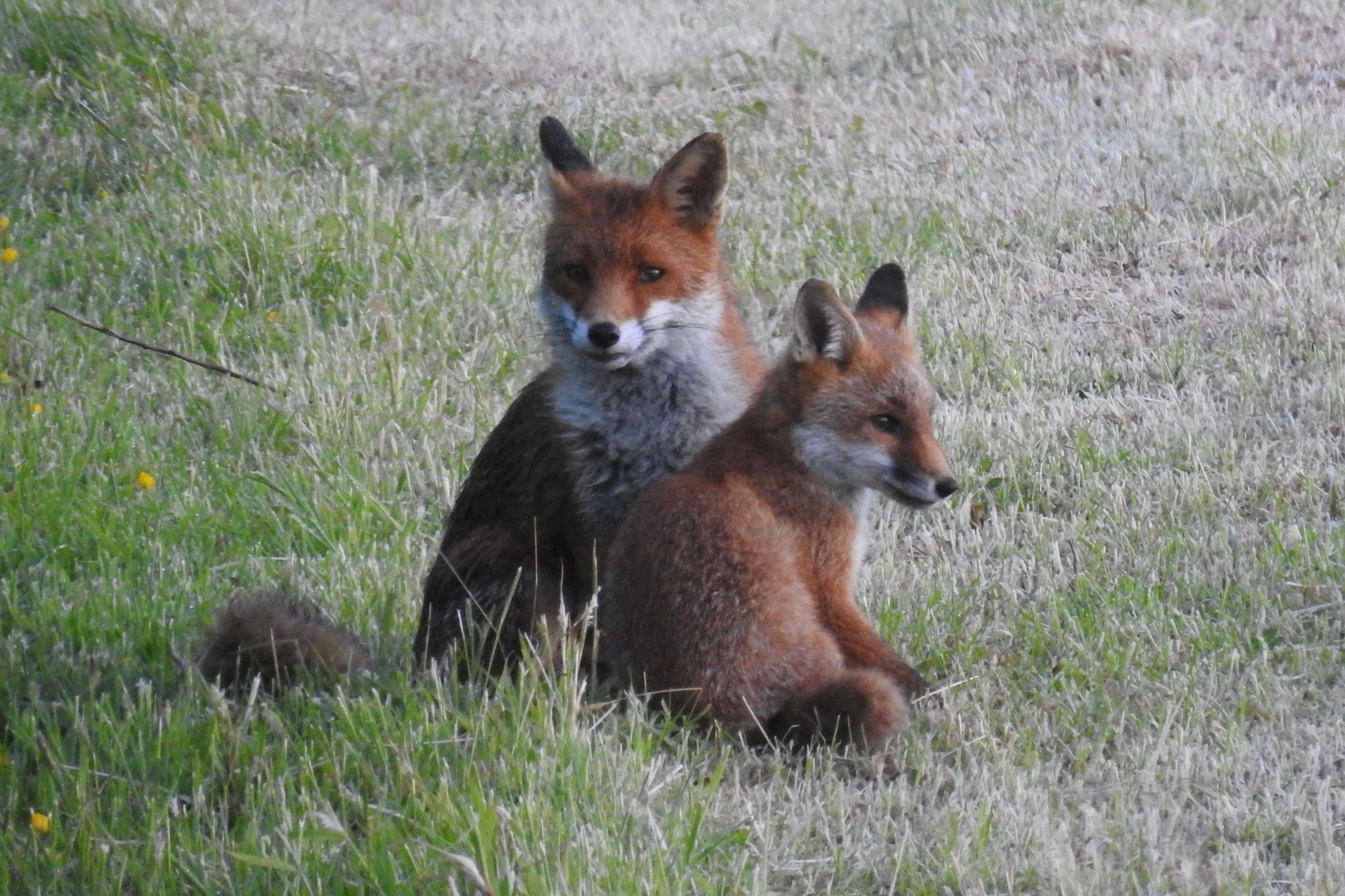
Fox cub with mum
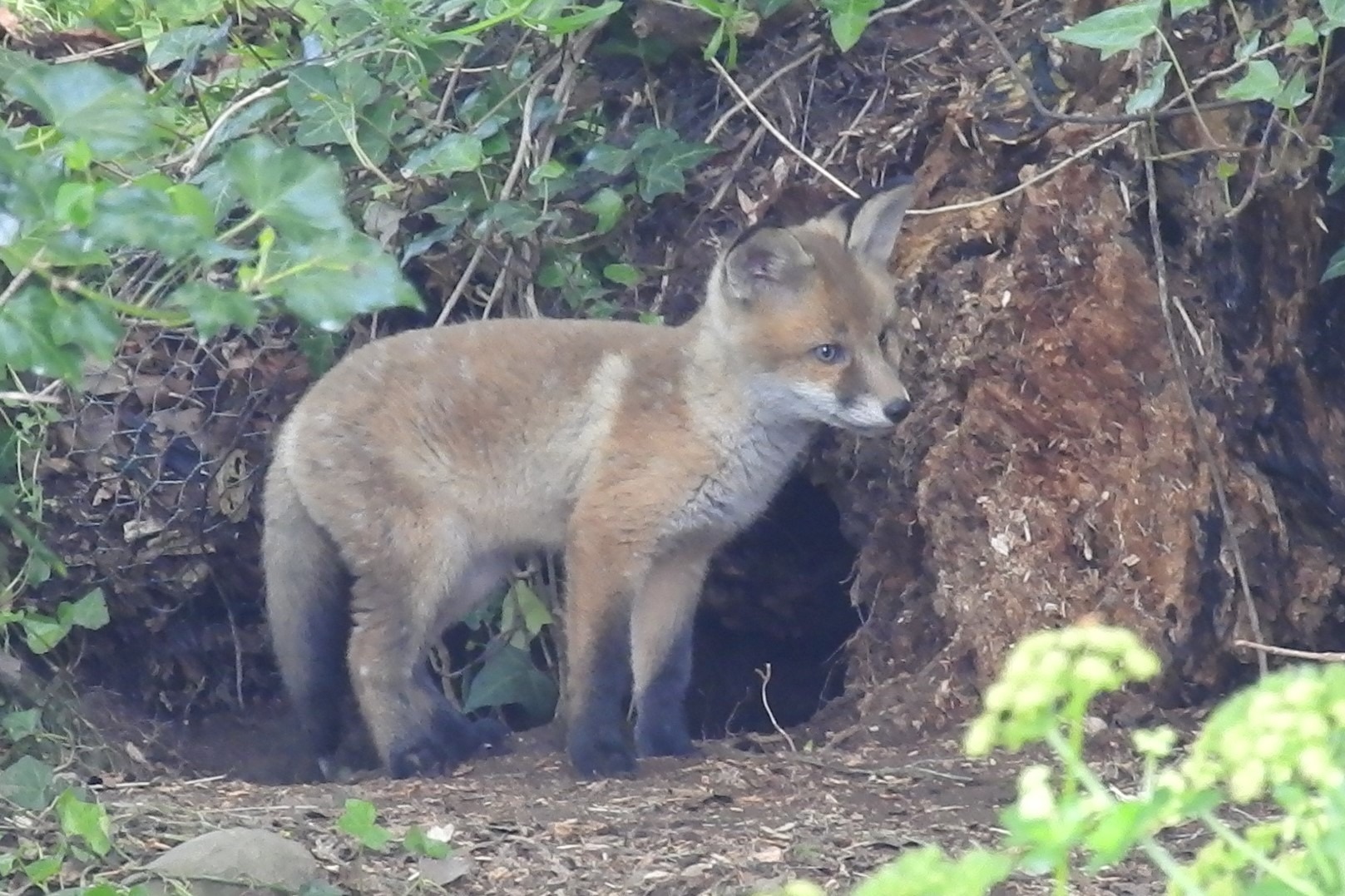
We are now entering that wonderful time of the year when baby birds and mammals are starting to appear and emerge everywhere. It is also the time of year when wildlife rehabilitators and rescue centres get inundated with new arrivals, but a large percentage of these new arrivals have been unwittingly ‘kidnapped’ from the wild. In other words, lots of animals are being rescued by the members of the public when they don’t need rescuing.
The newly opened Wildlife Rehabilitation Ireland (WRI) hospital, the country’s first wildlife hospital, is heading into its busiest time of year. At this time of the year up to 70% of their callouts/intake are animals that should not have been moved or rescued at all. Obviously, this is a huge amount of wasted time, energy and money for an already overstretched charity. These young animals take up space, need to be fed and in a lot of cases kept under heat lamps, which adds to the electricity bill. It also causes a huge amount of separation anxiety for the young animals (many of whom die) and for their distraught parents who see their offspring plucked up and taken away by some human.
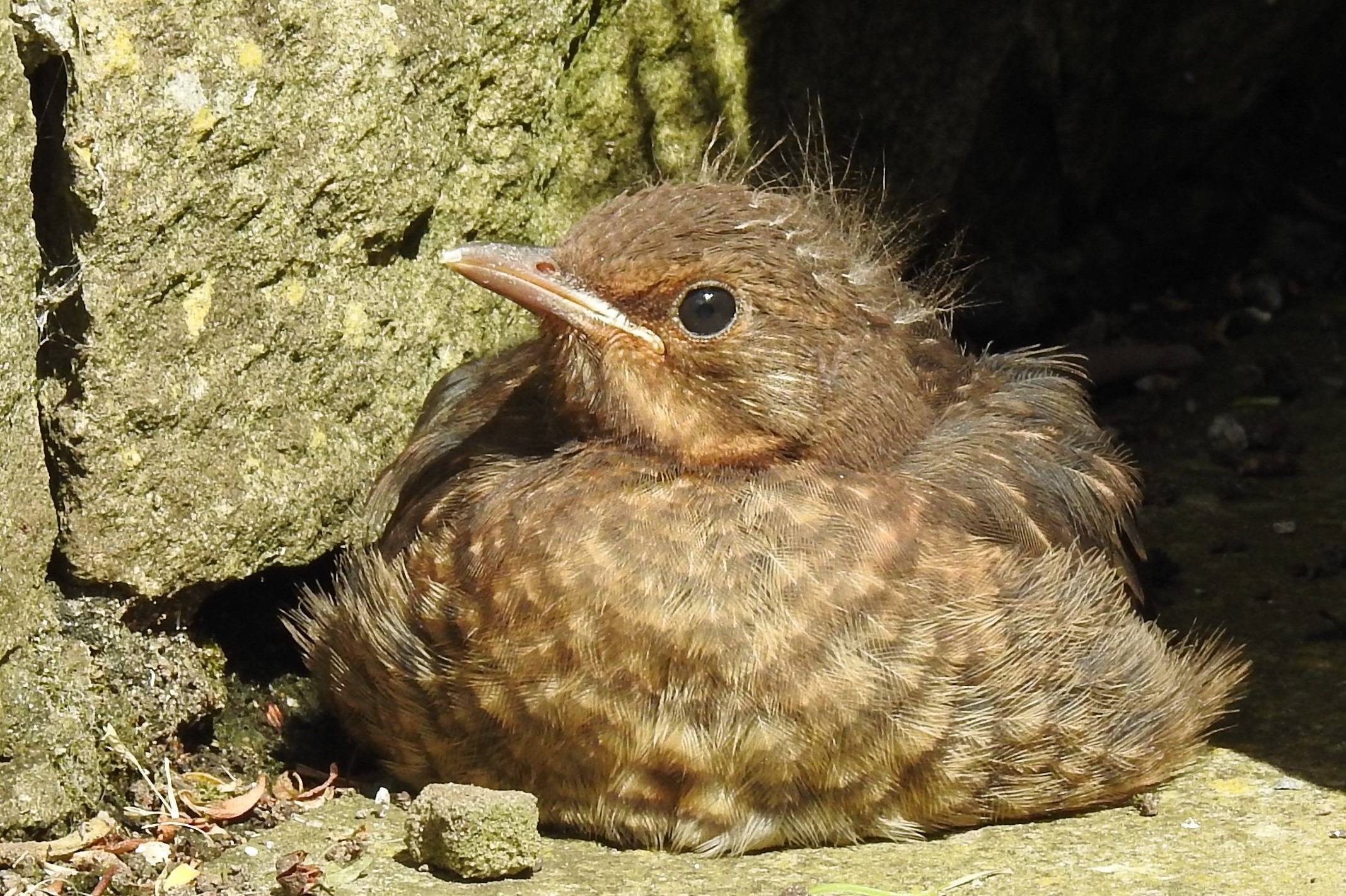
Fledgling Blackbird
This unintentional ‘kidnapping’ scenario particularly happens a lot with birds. From now to end of summer lots of fledglings will be appearing all over the place, including in our gardens. People often see these young birds that don’t appear able to fly and with no parents nearby. They automatically think the bird is either abandoned, injured, or both, and rush in to help. Fledglings often can’t fly properly for the first few days after they leave the nest until their flight feathers and flight muscles develop a bit more. Parents will obviously stay away if they see a human close by, so giving the false impression that the bird is abandoned.
The desire to help in these cases is always well intentioned but not always the correct course of action. Young animals/birds that are seen away from their parents are not necessarily in trouble, especially if they are warm and appear active, healthy, and alert. So what should you do? Well in the case of young birds the below infographic is a brilliant guide to follow.
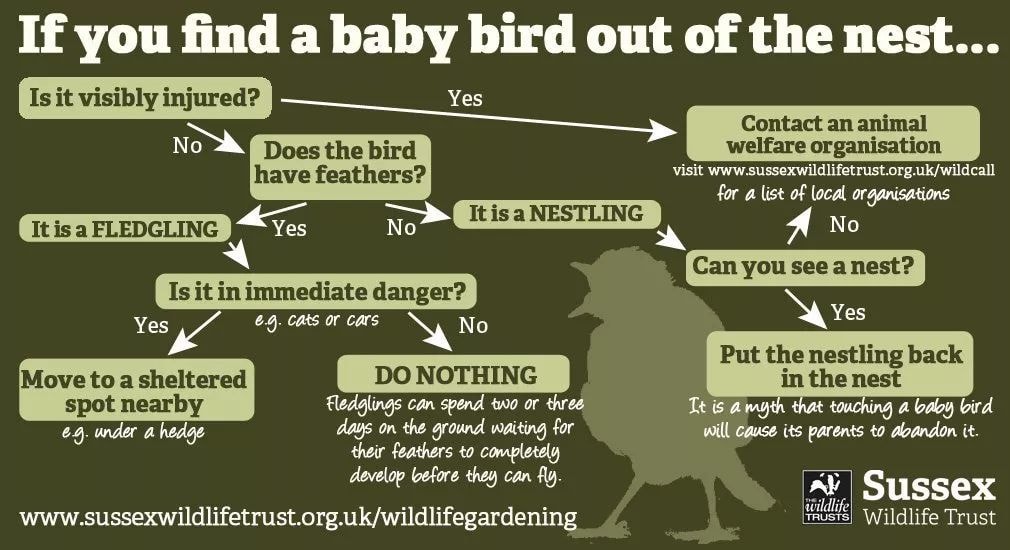
If you find a baby bird out of the nest
With certain mammals e.g., leverets (young hares) and fawns (young deer) it is usual for the parents to leave them on their own hidden in grass for many hours while they go to forage and feed. And it is not just young animals that get ‘rescued’ unnecessarily, it also happens with adults too. So in general, when you come across an animal you think is abandoned, sick or injured, take the following steps:
- Keep your distance and observe. Being too close will cause stress for the animal and keep parents away if it is a young animal.
- Ring the WRI or other relevant rehabilitation centre or vet.
- If, after some time, the animal still has not moved and gone about its normal business, or no parents have returned to feed it then it might well need to be rescued and taken to a centre for help.
- If an animal has obvious injuries, is distressed or cold and limp, then it needs to be rescued and early intervention is needed. Always seek professional help first to learn exactly how to approach, lift and transport an animal. As a rule of thumb always were gloves for your protection and theirs.
Contact details and more information about the Wildlife Rehabilitation Ireland (WRI) animal hospital can be found at the link below:
For easily accessible information on Irish wildlife rescue and first aid then check out the excellent Irish Wildlife Matters website: